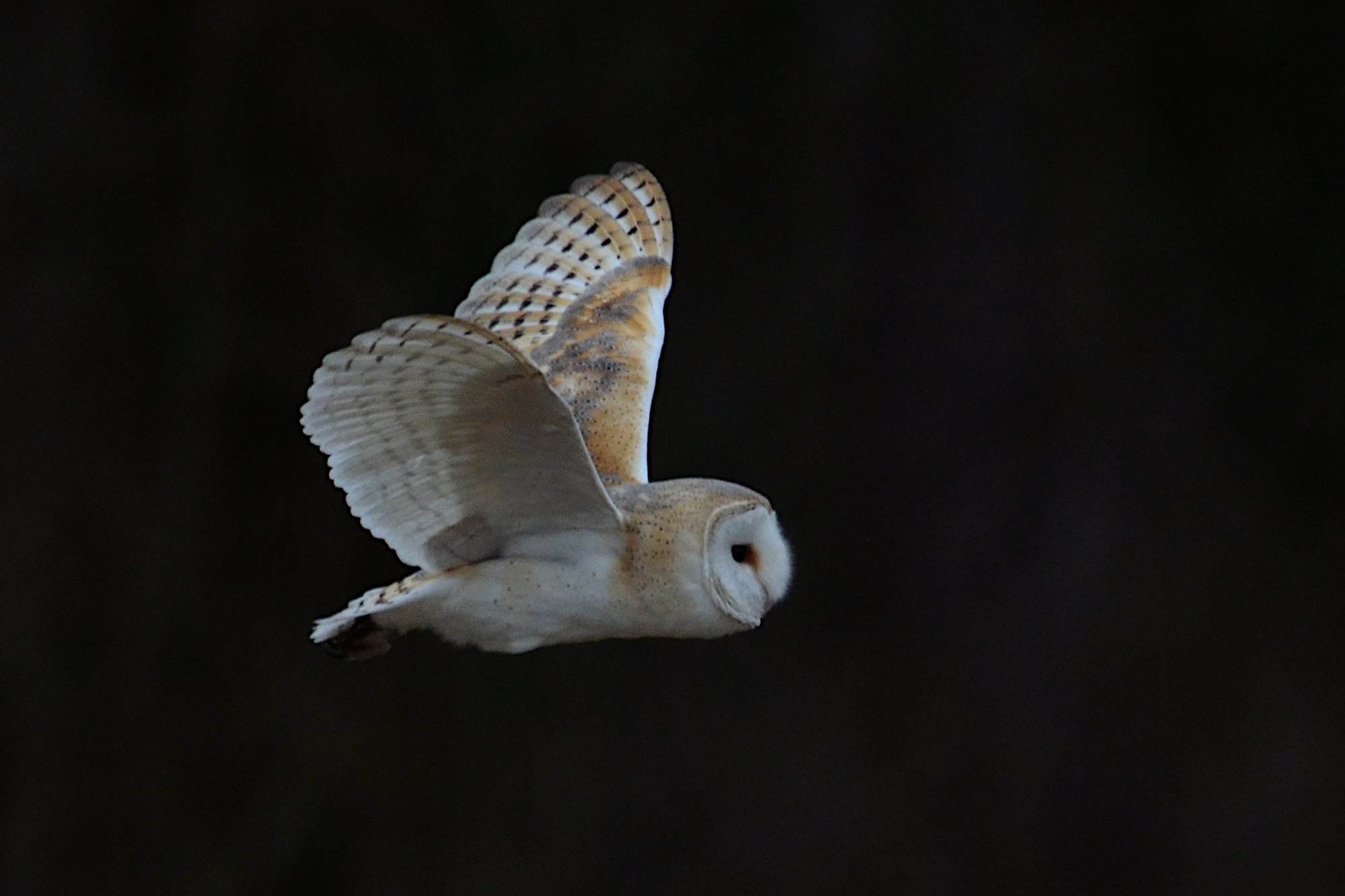
Barn Owl Survey
Barn owls are a Schedule-1 species and will often roost or nest in a building structure (such as an open-fronted barn) or tree. Where works are taking place on or in proximity to such structures or trees, a Barn Owl Survey should be conducted to ensure compliance with legislation and planning regulations. The type of bird survey required will depend on the nature of the site and any planned works. Please get in touch if you would like to discuss which type of bird survey you require.
Methodology
To request a more detailed barn owl survey information sheet, please email mail@emec-ecology.co.uk, specifying the information sheet required.
Following the Survey
Report
We will provide a report detailing the results of our survey and any required mitigation as soon as possible following the survey, however; should you have a specific date for submission of a planning application we will do our utmost to accommodate this.
Mitigation Measures
Mitigation measures will be dependent on the nature of any planned works, the species of birds present and how they are using the site. Our Land Management team are experienced in implementing a variety of mitigation measures, such as bird box installation.